

Resource Centre
Our resource centre aims to introduce, reinforce and expand learning on all things aphasia. By collecting and gathering the best available information and introducing our own, we hope this centre can be both useful and supportive.
Common Questions
-
Aphasia is an acquired communication disorder caused by stroke, brain injury, or brain illness. Someone with aphasia might present with difficulty speaking, comprehending language, reading and / or writing. Aphasia affects a person’s communication, but not their intelligence. Watch video below for more details.
-
Aphasia can be caused by a stroke, brain injury, brain tumour or other neurological illness.
-
Approximately ⅓ of stroke survivors acquire aphasia. Aphasia can affect people of all ages, races, ethnicities, cultures, gender identities and expressions, socioeconomic statuses, and abilities.
-
Aphasia impacts each person differently. Someone with aphasia might miss words when speaking or writing, use the wrong words, might have difficulty naming everyday items, may have a hard time understanding long sentences or paragraphs, or have difficulty with reading and/or writing words and sentences. Still have questions? Contact us here.
-
Speech-language pathologists, behaviour analysts, communication assistants, occupational therapists, doctors, dieticians, neurologists, social workers, direct support workers and caregivers can all play a role in the recovery journey of a person with aphasia. Click here to meet our team of interdisciplinary professionals.
-
No. There are many different types of aphasia, and symptoms can range from mild to severe. Each person with aphasia is different and has different strengths and difficulties. Learn more about Types of Aphasia.
-
It absolutely can. People with aphasia are at an increased risk for loneliness, depression, and other mental illnesses.
-
Aphasia affects the whole family, including loved ones and family members. As a care partner, you can help someone with aphasia feel supported in conversations by learning strategies that aid communication. Join our next Communication Partner Training Session or learn a few Strategies for Supporting a Loved One with Aphasia.
-
At Evergreen, we provide interdisciplinary services that fit your needs. We provide intensive therapy, small group therapy, 1:1 direct therapy, community conversation groups, caregiver support groups, counselling and more. Click here for more information.
What is Aphasia?
Aphasia is an acquired language problem caused by stroke or brain injury. It can affect speaking, understanding, reading, and writing, but it does not affect a person's intelligence or competence. People with aphasia still have thoughts, ideas, and stories to share. This video is a good starting point if you or someone you love is new to the diagnosis, and includes a short film from our community advocacy group.
What is Neuroplasticity? (And Why It Matters After Stroke)
Your brain can change. Even after a stroke.
In this short video, we explain neuroplasticity in plain language. What it is, and why it matters for people living with aphasia.
Therapy is not just practice. It helps the brain build new pathways for language. This can happen months or even years after a stroke.
Why Communication Partner Training Matters
Aphasia affects communication, not intelligence. People with aphasia still have thoughts, ideas, and stories to share, but conversation is a two-person process. Small changes in how a partner communicates can make a real difference in how well it goes. This video explains what communication partner training is and why it's one of the most important parts of aphasia care.
Inside Aphasia Therapy: The Role of a Speech-Language Pathologist
What actually happens in aphasia therapy? In this video, we walk through what a speech-language pathologist does, from assessment to goal setting to ongoing treatment.
An SLP starts by assessing every part of communication affected by aphasia: speaking, understanding, reading, and writing. From there, goals are built around what matters most in someone's daily life, not a generic checklist. Treatment is individualized, because aphasia looks different in every person.

What Does a Behaviour Analyst Do in Aphasia Therapy?
A Behaviour Analyst can help ensure that therapy is:
Structured but still personal
Intensive but not overwhelming
Data-informed but still human
Consistent across team members
Adjusted when progress stalls
Focused on real communication
Designed to build independence over time
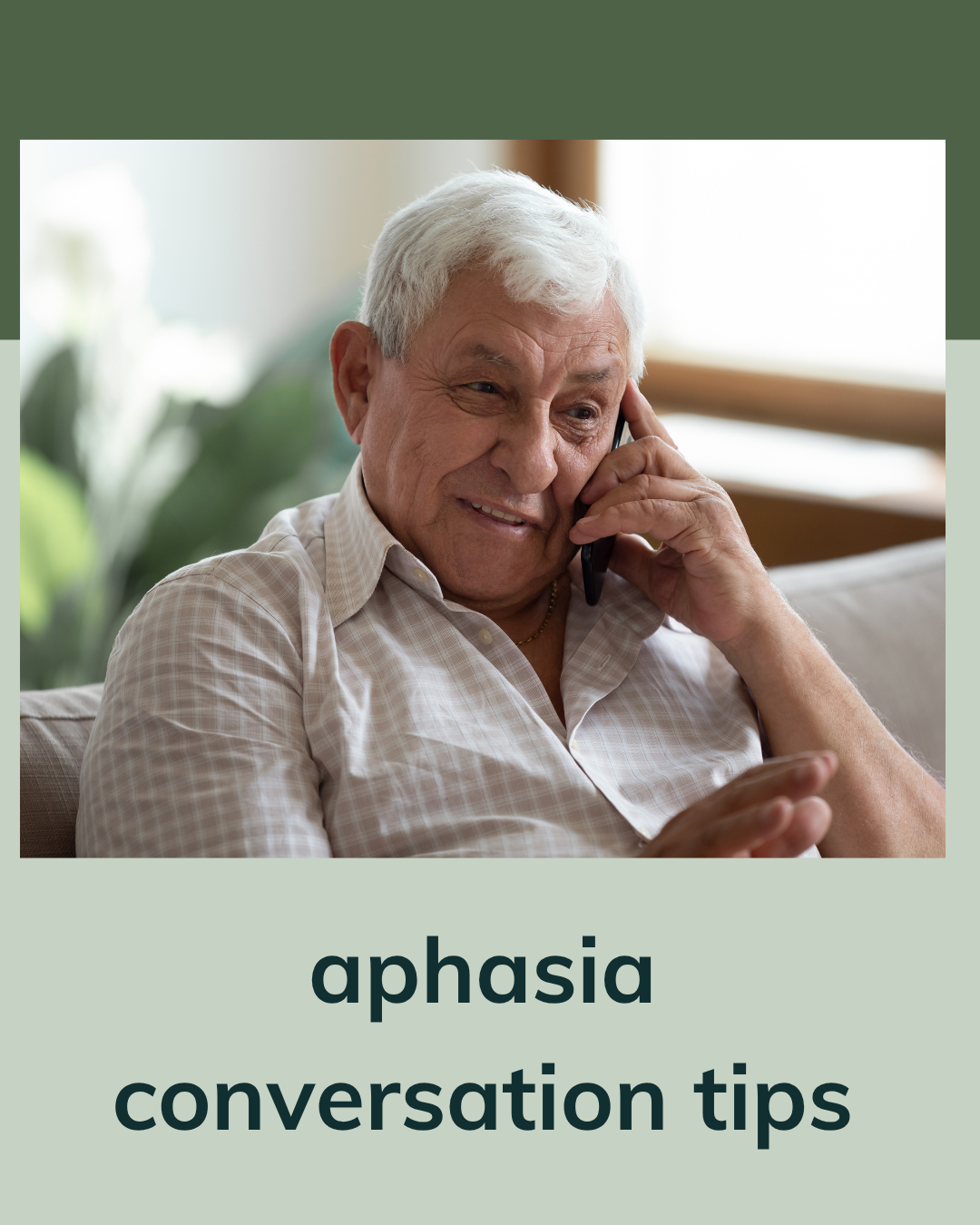
5 Aphasia-Friendly Conversation Tips You Can Use Today
Conversations can feel different after a stroke or brain injury, especially when aphasia is part of the picture. Words may not come out the way you want, understanding can take more effort, and everyday chats can start to feel exhausting.
At Evergreen, we believe communication is a basic human right. That means everyone deserves the time, support, and respect they need to be heard.
Is Intensive Aphasia Therapy Right for Me?
There isn’t one “right” therapy schedule for everyone with aphasia. What matters most is finding an approach that provides enough opportunity to practice communication in meaningful ways.
For many people, intensive therapy can be a powerful way to rebuild communication skills and regain confidence.

Interprofessional Collaboration and Aphasia Therapy
Interprofessional collaboration involves using the strengths of each profession to design a treatment approach that is effective and founded upon the best available research. It involves creating an environment that is based on shared values while fostering an inclusive team culture. While interprofessional collaboration has been associated with a number of benefits for clients and clinicians, it is often easier said than done. The relationship between Speech-Language Pathologists (SLPs) and Board Certified Behavior Analysts (BCBAs) has been particularly contentious. Generally speaking, there appears to be a fear of encroachment, stereotyping, and a lack of understanding about relative scopes of practice between the two professions.

Scientific Publications
We aim to use the best evidence available and to continue to advance our field with our own scientific publications. Here, you’ll find a selection of scientific publications that can provide additional insight and education.